

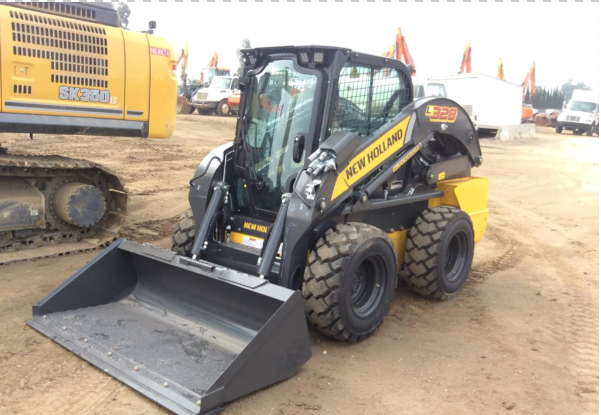
Operating heavy equipment on job sites requires careful planning, attention to detail, and adherence to safety protocols. Accidents involving heavy machinery can be catastrophic, so safety should always be the top priority for operators and everyone on site. In this article, we will explore essential safety tips for operating heavy equipment on job sites, from pre-operation checks to proper operational procedures and post-operation guidelines.
1. Conduct Thorough Pre-Operation Inspections
Before starting any machine, it is vital to perform a thorough pre-operation inspection. This helps identify any potential issues before they cause accidents or equipment failure. The checklist should include:
- Checking fluid levels (fuel, oil, hydraulic fluid).
- Inspecting tires and tracks for damage or wear.
- Ensuring the brakes and steering system are functioning correctly.
- Verifying all safety equipment is in place and working (horn, lights, backup alarms).
- Checking the overall structural integrity of the machine (e.g., arm, bucket, and attachments).
Having a clear and consistent pre-operation inspection process can prevent potential safety hazards and minimize downtime. Learn more about the importance of pre-service inspections.
2. Ensure Proper Training and Certification
One of the most important aspects of heavy equipment safety is ensuring that operators are adequately trained and certified. Operating heavy machinery without proper training can lead to accidents, damage to equipment, and potential harm to others on the job site. It's crucial for operators to:
- Complete formal training programs to understand the machine’s operation, safety features, and emergency procedures.
- Be familiar with the manufacturer’s manual and safety instructions.
- Know the specific risks associated with different types of equipment.
In Southern California, Scott Equipment provides expert assistance in matching the right equipment to your needs. Our team can help ensure that your operators are trained on the most current safety protocols.
3. Use Proper Personal Protective Equipment (PPE)
Personal protective equipment (PPE) is essential when operating heavy equipment. Depending on the specific job site, operators and crew members may need various forms of PPE, including:
- Hard hats to protect against falling debris.
- Steel-toed boots to prevent injury from heavy objects.
- High-visibility clothing to ensure the operator is visible to others.
- Hearing protection for noisy environments.
- Eye protection to shield against flying debris.
PPE is a simple yet crucial step in keeping operators safe on the job site. Remember, PPE should always be worn properly and maintained regularly.
4. Establish Clear Communication on Site
Clear communication is vital when operating heavy equipment, especially in busy environments. Operators must communicate effectively with ground crew, flaggers, and other personnel to avoid collisions and accidents. Here are some communication tips:
- Use hand signals or radios to communicate with spotters or flaggers.
- Make sure all personnel are aware of the equipment's movement and any potential hazards.
- Establish a "stop" signal to immediately halt operation if needed.
Building a culture of open communication on site can help prevent accidents and improve the overall safety of the operation. Learn more about safety on job sites.
5. Maintain a Clean and Organized Work Area
A clean and well-organized worksite is crucial for safe heavy equipment operation. Equipment operators should always ensure that the work area is clear of obstructions, debris, and hazards that could cause accidents. Consider these tips:
- Maintain a safe distance between equipment and obstacles.
- Keep the work area free of unnecessary materials, tools, or debris.
- Ensure proper storage of tools and materials to avoid tripping hazards.
Safety doesn’t just start with the operator; it extends to the entire work environment. An organized site makes it easier to focus on tasks and spot potential hazards before they become problems.
6. Follow Proper Loading and Unloading Procedures
When loading or unloading materials with heavy machinery, operators must follow strict safety guidelines. Improper loading techniques can lead to equipment tipping or damage. Some tips include:
- Always ensure the load is balanced and secure before lifting.
- Use proper lifting techniques and equipment suited to the weight and size of the load.
- Keep the machine’s center of gravity in mind to avoid tipping.
Before any lifting operation, double-check that the load is stable and the equipment is suited for the task. If unsure, seek expert guidance. Learn about the benefits of renting heavy equipment.
7. Avoid Overloading and Overworking Equipment
Overloading a machine or pushing it beyond its operational limits can cause breakdowns and accidents. Always adhere to the weight and capacity limits provided by the manufacturer. When working in challenging conditions, operators must be mindful of:
- The terrain and its effect on the machine’s stability.
- The machine's operating capacity in extreme weather conditions (e.g., high heat, rain).
- Using the machine for tasks it wasn’t designed to do.
If you're unsure about your equipment's capabilities, consult with experts or contact Scott Equipment for guidance on choosing the right machine for your project.
8. Use Spotters and Flaggers for Improved Visibility
Many accidents occur due to poor visibility, especially when equipment is moving in tight or crowded areas. Spotters and flaggers can significantly improve the safety of operators by providing additional eyes on the ground. They can help guide the operator during tasks such as reversing, maneuvering in tight spaces, or near obstacles.
Spotters should be trained to give clear, consistent signals and ensure that no one enters the danger zone around the equipment. Keep communication lines open, and ensure that spotters have the right PPE for their roles.
9. Take Breaks to Avoid Fatigue
Operating heavy machinery for long hours can lead to fatigue, which increases the likelihood of accidents. It's crucial to schedule regular breaks to keep the operator alert and focused. Fatigue can impair judgment, slow reaction times, and lead to mistakes. Here are some tips for combating fatigue:
- Schedule short breaks throughout the day.
- Hydrate regularly to stay alert.
- Rotate operators when possible to avoid long shifts.
- Ensure proper rest for operators before shifts begin.
Managing fatigue is just as important as maintaining the machine itself. A well-rested operator is more likely to make safe, effective decisions.
10. Know Emergency Procedures
In the event of an accident or emergency, operators and crew members should be familiar with emergency procedures. These include:
- Knowing the location of emergency shut-off switches on the equipment.
- Familiarity with emergency evacuation routes and procedures.
- Being trained in first aid and CPR.
Accidents can happen, but being prepared can minimize injury and damage. Knowing what to do in an emergency could be the difference between life and death.
Conclusion
Operating heavy equipment on job sites requires a high level of responsibility and adherence to safety protocols. From pre-operation checks to maintaining an organized worksite, every aspect of equipment operation impacts safety. At Scott Equipment, we are committed to ensuring your equipment runs smoothly and safely, which is why we offer expert services and high-quality machines to keep your fleet in top condition.
If you're looking to invest in heavy equipment or need assistance with maintenance and repairs, Scott Equipment is your trusted partner for all your heavy machinery needs.
By following these essential safety tips, operators can significantly reduce the risk of accidents, improve productivity, and extend the lifespan of their equipment. Safety should always be a priority, not just for the operator but for everyone on the job site.


