

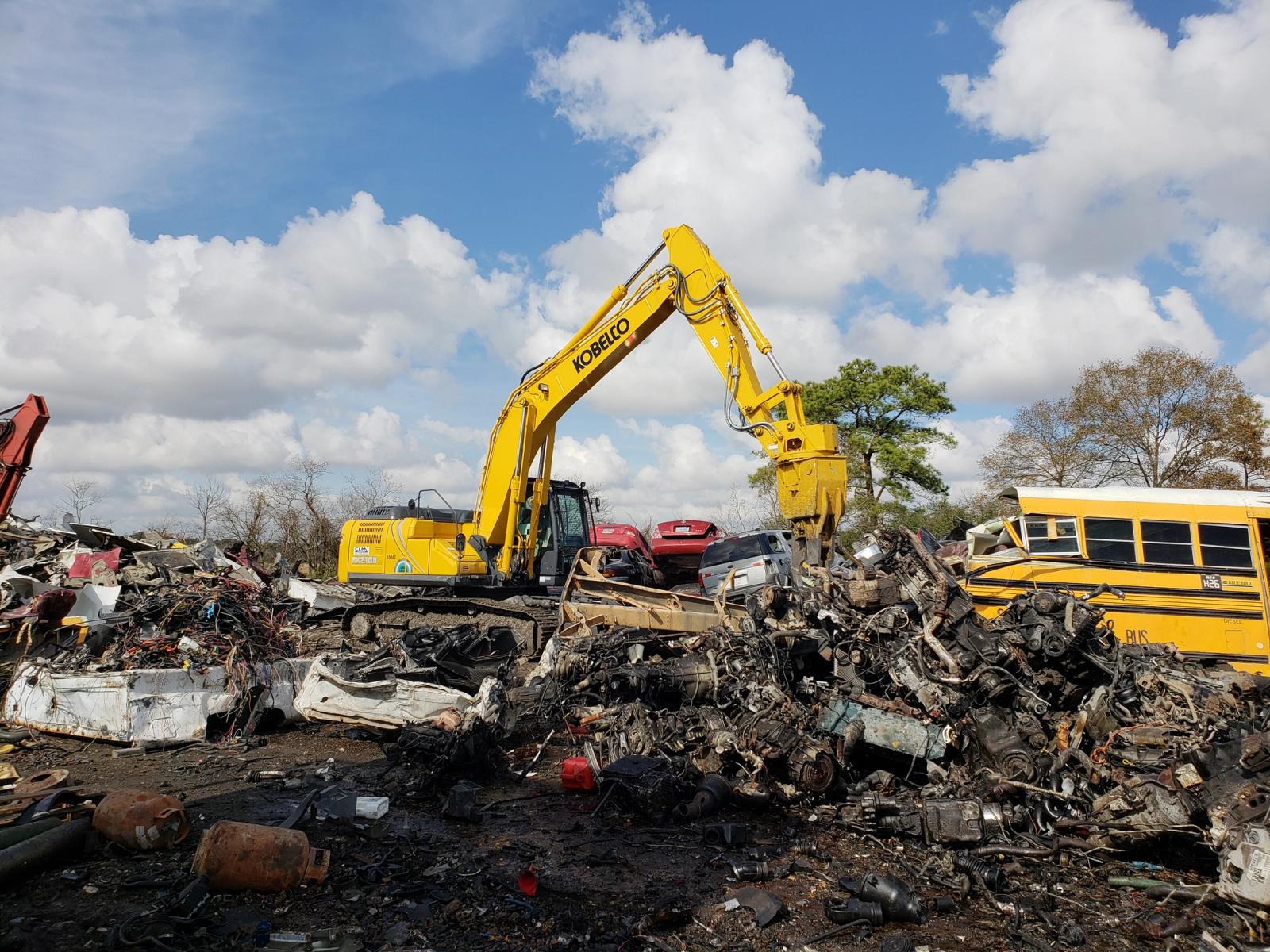
Putting used heavy equipment back into active service is never something contractors should rush. Whether a machine has been sitting idle, transferred between jobs, or recently purchased pre-owned, a detailed pre-service inspection can mean the difference between smooth operations and costly downtime. For contractors across Southern California, where job schedules are tight and site conditions vary, skipping these checks can quickly lead to delays, safety risks, and unplanned repair costs.
At Scott Equipment, decades of experience supporting contractors, builders, and municipalities have shown that most equipment failures are preventable. The key is knowing exactly what to inspect before a machine returns to the jobsite.
Why Pre-Service Inspections Matter
Used equipment often has an unknown operating history. Even well-maintained machines can develop issues while sitting unused. Seals dry out, fluids degrade, and electrical connections corrode. Once the machine is under load, small problems can turn into expensive failures.
A structured inspection helps you:
- Reduce unexpected breakdowns
- Protect operators and nearby crews
- Avoid jobsite delays and penalties
- Extend equipment service life
- Control repair and parts costs
These readiness checks work hand in hand with long-term upkeep practices outlined inTop 5 maintenance tips to extend the life of your heavy equipment.
Start With a Visual Walkaround Inspection
Before starting the engine, perform a slow and complete walkaround.
Look for Structural Damage
Inspect frames, booms, arms, and attachment points for cracks, bends, or stress marks. High-load areas and welds deserve special attention.
Inspect Tires or Tracks
Check tires for uneven wear, sidewall damage, and proper inflation. For tracked equipment, inspect rollers, idlers, sprockets, and track tension. Undercarriage issues are some of the most expensive problems contractors face.
Check for Leaks
Oil stains, damp hoses, or residue buildup often signal leaks. Even minor leaks should be corrected before operation begins.
Verify Fluid Levels and Fluid Condition
Fluids are critical to equipment performance.
Engine Oil
Check level and condition. Milky oil may indicate coolant contamination, while gritty oil can signal internal wear.
Hydraulic Fluid
Hydraulic systems power most machine functions. Dark, cloudy, or burnt-smelling fluid may indicate overheating or contamination.
Coolant
Inspect coolant levels and color. Rusty or discolored coolant can point to corrosion in the cooling system.
Transmission and Drivetrain Fluids
Check transmission and differential fluids for proper levels and metal debris.
These inspections complement the broader maintenance practices discussed inheavy equipment service and reliability insights for Southern California contractors.
Inspect the Hydraulic System Thoroughly
Hydraulic problems can shut down a job instantly.
- Inspect hoses for cracks, blistering, or exposed reinforcement
- Check fittings for looseness or leaks
- Watch cylinder movement for smooth operation
- Listen for abnormal noises during testing
Hydraulic failures often show early warning signs that are easy to catch during pre-service checks.
Test Electrical and Control Systems
Electrical issues are common in used equipment, especially machines stored outdoors.
Battery and Wiring
Check battery terminals for corrosion and ensure wiring harnesses are secure and undamaged.
Sensors and Gauges
Verify all gauges, warning lights, and monitoring systems function correctly. Faulty indicators can hide serious issues.
Operator Controls
Test joysticks, pedals, switches, and displays for smooth and predictable response.
This step ties closely to the principles explained inhow to choose the right heavy equipment for your project, where control layout and usability play a major role in operator efficiency.
Examine Brakes, Steering, and Safety Systems
Never assume safety systems are working on used equipment.
- Test service and parking brakes
- Verify steering response at low speeds
- Check backup alarms, horns, lights, and cameras
- Inspect seatbelts, handrails, and access steps
Safety failures are a leading cause of jobsite incidents and downtime.
Inspect the Undercarriage and Ground Contact Components
For tracked machines, undercarriage condition directly impacts performance and operating costs.
- Measure track wear and elongation
- Inspect rollers and idlers for leaks or flat spots
- Look for missing or damaged track pads
Wheeled equipment should also have hubs, axles, and suspension components checked carefully.
Review Service Records and Operating Hours
When available, service records offer valuable insight.
- Confirm oil change and service intervals
- Identify recurring repair patterns
- Verify major component replacements
This is especially important when comparing ownership decisions discussed inthe benefits of renting versus buying heavy equipment.
Test Run the Equipment Under Controlled Conditions
After inspections, operate the machine in a controlled area.
- Bring the engine up to operating temperature
- Monitor gauges and warning indicators
- Test primary functions under light load
- Listen for unusual noises or vibrations
Many hidden issues only appear once the machine is running.
Why Dealer Support Makes a Difference
Even with thorough inspections, unexpected findings can occur. This is where experienced dealer support becomes critical. Access to OEM parts, trained technicians, and accurate equipment data reduces downtime and uncertainty.
Contractors across Southern California rely on dependable solutions and long-term support available throughScott Equipment’s heavy equipment sales, parts, and service solutions.
Final Thoughts
Putting used heavy equipment back into active service should never be rushed. A structured inspection protects your crew, your schedule, and your budget. By checking structural components, fluids, hydraulics, electrical systems, safety features, and compliance requirements, you greatly reduce the risk of breakdowns once the machine reaches the jobsite.
Used equipment can be a dependable asset when handled correctly. Knowing what to check before it goes back to work makes all the difference.


