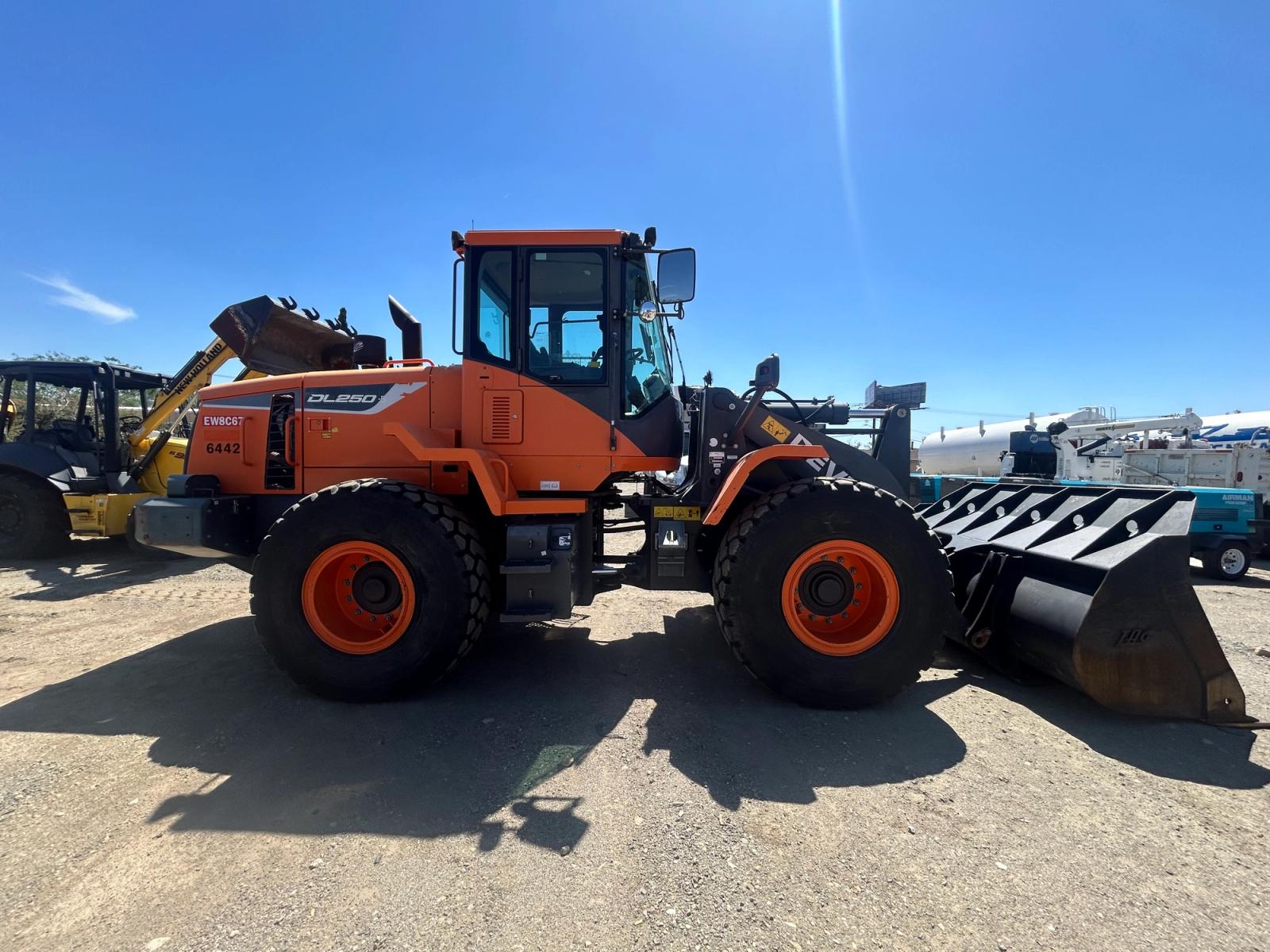
Managing a heavy equipment fleet is one of the biggest operational challenges contractors face today. From maintenance schedules and operator training to parts availability and fuel efficiency, every decision impacts productivity and profitability. One strategy that is gaining traction across the construction industry is fleet standardization.
Fleet standardization involves using a consistent set of equipment models, brands, or configurations across your operations. Instead of managing a diverse mix of machines, contractors streamline their fleets to improve efficiency, reduce costs, and simplify operations.
At Scott Equipment, many contractors are discovering how a well-standardized fleet can transform the way they manage projects and resources.
What Is Fleet Standardization in Heavy Equipment?
Fleet standardization refers to the process of selecting and maintaining a consistent group of machines within your fleet.
This Can Include:
- Using the same brand for similar equipment types
- Standardizing machine sizes and capabilities
- Aligning attachments and components
- Simplifying technology and control systems
Rather than juggling multiple variations, contractors create a more predictable and manageable fleet structure.
Why Fleet Complexity Creates Problems
A mixed fleet might seem flexible, but it often introduces hidden inefficiencies.
Common Challenges:
- Different maintenance requirements
- Increased parts inventory
- Operator confusion across machines
- Higher training costs
These issues can slow down operations and increase overhead.
For broader cost strategies, explore reduce heavy equipment operating costs
Improved Operator Efficiency and Productivity
One of the biggest advantages of fleet standardization is improved operator performance.
How It Helps Operators:
- Familiar controls across machines
- Reduced learning curve
- Increased confidence and safety
- Faster task execution
When operators don’t need to adapt to different systems, they can focus on getting the job done efficiently.
Simplified Training and Onboarding
Training new operators can be time-consuming and costly, especially with a diverse fleet.
Benefits of Standardized Training:
- Faster onboarding process
- Reduced training materials
- Consistent safety practices
- Lower training costs
This is especially important for growing companies or those managing multiple job sites.
For safety considerations, visit essential safety tips for operating heavy equipment on job sites
Streamlined Maintenance and Repairs
Maintenance becomes significantly easier when your fleet is standardized.
Key Maintenance Advantages:
- Uniform service schedules
- Easier diagnostics
- Familiar repair procedures
- Reduced downtime
Instead of managing different requirements for each machine, maintenance teams can work more efficiently.
Learn more about upkeep strategies here top 5 maintenance tips to extend the life of your heavy equipment
Reduced Parts Inventory Costs
One often-overlooked benefit of fleet standardization is reduced inventory complexity.
Inventory Benefits:
- Fewer spare parts needed
- Lower storage costs
- Faster access to components
- Reduced risk of delays
Having standardized parts on hand ensures quicker repairs and smoother operations.
Better Equipment Utilization
Standardized fleets make it easier to allocate machines across projects.
Why Utilization Improves:
- Interchangeable equipment
- Flexible deployment across sites
- Consistent performance expectations
This ensures that no machine sits idle while others are overused.
Enhanced Resale Value
When it comes time to upgrade or sell equipment, standardization can work in your favor.
Resale Advantages:
- Well-maintained machines
- Consistent service history
- Higher market demand for uniform fleets
Buyers often prefer equipment that has been part of a well-managed, standardized fleet.
For investment strategies, check maximizing your heavy equipment investment
Improved Jobsite Coordination
A standardized fleet contributes to smoother jobsite operations.
Coordination Benefits:
- Easier communication between teams
- Predictable machine capabilities
- Reduced operational confusion
This leads to faster project completion and fewer delays.
Supporting Long-Term Business Growth
As companies grow, managing a diverse fleet becomes more complex.
How Standardization Helps Growth:
- Scalable operations
- Consistent processes
- Easier expansion into new projects
This creates a solid foundation for long-term success.
Technology Integration Becomes Easier
Modern heavy equipment often includes advanced technology such as GPS tracking, telematics, and automation.
Standardization Simplifies Tech Use:
- Unified software platforms
- Easier data analysis
- Consistent reporting
This allows contractors to fully leverage technology without compatibility issues.
When Should You Consider Fleet Standardization?
Not every business needs to standardize immediately, but there are clear signs when it becomes beneficial.
Indicators Include:
- Frequent maintenance delays
- High operating costs
- Operator inefficiencies
- Difficulty managing parts inventory
Recognizing these signs early can help prevent larger operational issues.
Balancing Flexibility and Standardization
While standardization offers many benefits, it’s important to maintain some flexibility.
Best Practices:
- Standardize core equipment
- Allow variation for specialized tasks
- Evaluate project-specific needs
This balanced approach ensures efficiency without limiting capabilities.
Working with the Right Equipment Partner
Choosing the right partner is essential when building a standardized fleet.
What to Look For:
- Wide equipment selection
- Industry expertise
- Reliable support services
- Strong reputation
Learn more about expectations here what contractors should expect from a full service heavy equipment partner
How Scott Equipment Supports Fleet Optimization
Scott Equipment provides contractors with the resources and expertise needed to build efficient fleets.
Their Approach Includes:
- Helping select the right equipment
- Providing ongoing support
- Ensuring consistent quality
- Offering flexible solutions
This makes it easier for businesses to transition toward a standardized fleet.
Renting vs. Buying in a Standardized Fleet
Standardization doesn’t always mean purchasing every piece of equipment.
Smart Strategy:
- Own core equipment
- Rent specialized machines when needed
For a deeper comparison, explore the benefits of renting vs buying heavy equipment
Future Trends in Fleet Management
The construction industry continues to evolve, and fleet management is no exception.
Emerging Trends:
- Increased automation
- Data-driven decision-making
- Sustainable equipment solutions
Fleet standardization will play a key role in adapting to these changes.
Conclusion
Fleet standardization is a powerful strategy for improving efficiency, reducing costs, and simplifying heavy equipment management. By creating a consistent and well-organized fleet, contractors can streamline operations, enhance productivity, and position themselves for long-term success.From easier maintenance and training to better equipment utilization and cost control, the benefits are clear. With the support of experienced partners like Scott Equipment, businesses can implement fleet standardization effectively and gain a competitive edge in today’s demanding construction environment.For contractors looking to optimize their operations, standardizing your heavy equipment fleet isn’t just an option it’s a smart investment in efficiency and growth.


