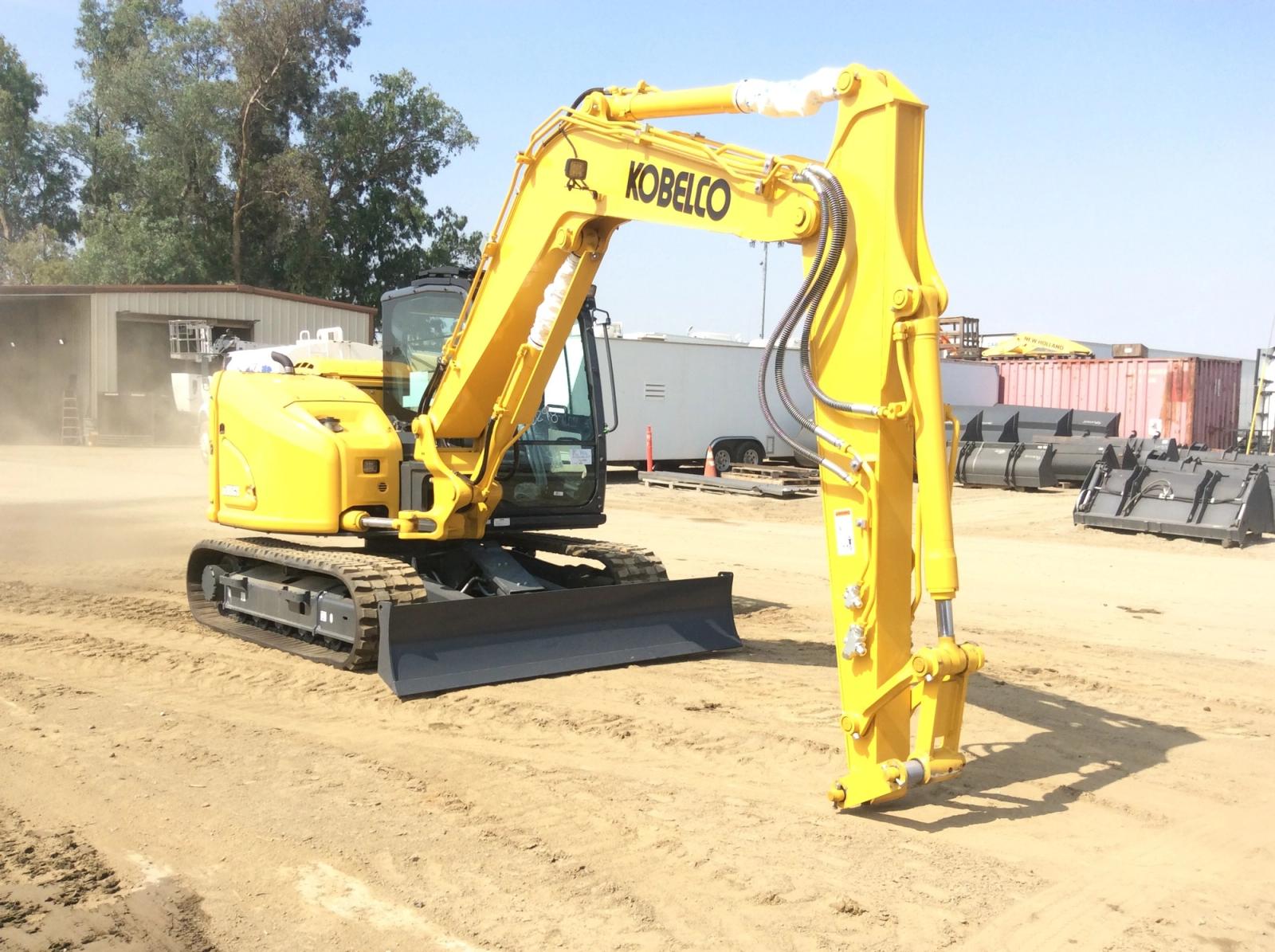
Heavy equipment is one of the largest investments for construction companies and contractors. Machines such as excavators, loaders, and bulldozers are essential for completing projects efficiently, but they also come with significant operating costs.
Fuel consumption, maintenance expenses, repairs, and equipment downtime can quickly increase project budgets if not managed properly. Contractors who focus on reducing operating costs can improve profitability while keeping projects on schedule.
By implementing smart equipment management strategies, businesses can significantly lower operational expenses and extend the lifespan of their machines.
Below are practical strategies contractors can use to reduce heavy equipment operating costs.
Choose the Right Equipment for the Job
Using the wrong machine for a task can lead to excessive fuel consumption, faster wear, and reduced productivity. Contractors should always select equipment that matches the size and requirements of their project.
For example, choosing equipment that is too large for a small project may waste fuel and increase operating expenses. Contractors can learn more about selecting appropriate machinery by reviewing resources such as how to choose the right heavy equipment for your project.
Choosing the correct equipment improves efficiency and helps prevent unnecessary operational costs.
Perform Routine Equipment Inspections
Regular equipment inspections help identify potential problems before they become expensive repairs. Small issues such as worn hoses, loose connections, or minor leaks can quickly escalate if left unattended.
Contractors should implement inspection routines before equipment is used on job sites. A structured inspection process ensures that critical components are functioning properly.
A helpful resource for contractors is the used heavy equipment pre-service inspection checklist, which outlines key areas that should be examined before equipment is put into service.
Preventive inspections reduce unexpected downtime and repair costs.
Implement Preventive Maintenance Programs
Preventive maintenance is one of the most effective ways to reduce equipment operating costs. Regular servicing ensures that engines, hydraulic systems, and other components operate efficiently.
Without proper maintenance, machines are more likely to break down during critical project phases. Contractors who follow routine servicing schedules can extend equipment lifespan and avoid costly emergency repairs.
Maintenance strategies such as lubrication, filter replacement, and system inspections are explained in top maintenance tips to extend the life of your heavy equipment.
Maintaining equipment properly helps keep machines reliable and efficient.
Train Operators for Efficient Equipment Use
Operator behavior plays a significant role in equipment operating costs. Improper use of machinery can increase fuel consumption, accelerate wear on parts, and create safety hazards.
Training operators to follow proper equipment procedures helps reduce unnecessary strain on machines. Efficient operation also improves productivity and reduces project delays.
Safety practices for operating heavy equipment are discussed in essential safety tips for operating heavy equipment on job sites.
Well-trained operators contribute to both safer job sites and lower operating costs.
Consider Renting Equipment for Short-Term Projects
Purchasing heavy equipment is not always the most cost-effective solution. For short-term or specialized projects, renting machinery can help contractors avoid large upfront investments.
Renting also eliminates many ownership costs such as long-term maintenance, storage, and depreciation.
Contractors who are evaluating whether to rent or purchase equipment can review insights from the benefits of renting vs buying heavy equipment.
Understanding both options helps businesses make financially smart equipment decisions.
Maximize the Value of Your Equipment Investment
Contractors should focus on strategies that help equipment retain value while delivering consistent performance. Proper maintenance, careful operation, and scheduled servicing all contribute to long-term machine reliability.
Businesses that take a strategic approach to equipment ownership can significantly improve their return on investment. These strategies are discussed in maximizing your heavy equipment investment and how to get the most value from your heavy equipment.
By managing equipment properly, contractors can keep machines productive for many years.
Work With a Reliable Equipment Provider
Choosing a trusted equipment provider can make a major difference in equipment performance and operating costs. Experienced suppliers offer guidance, maintenance services, and access to reliable machines.
Contractors working with knowledgeable providers gain valuable support throughout the equipment lifecycle. Businesses often benefit from working with partners who provide comprehensive services, as discussed in what contractors should expect from a full-service heavy equipment partner.
Reliable equipment partners help contractors maintain efficient operations and reduce unexpected costs.
Final Thoughts
Managing heavy equipment operating costs is essential for construction companies that want to maintain profitability and complete projects efficiently. By selecting the right machines, performing routine inspections, maintaining equipment regularly, and training operators properly, contractors can significantly reduce operating expenses.
Smart equipment management not only lowers costs but also improves productivity and job site safety. With the right strategies and reliable equipment support, contractors can ensure their machines remain valuable assets for many years.


