

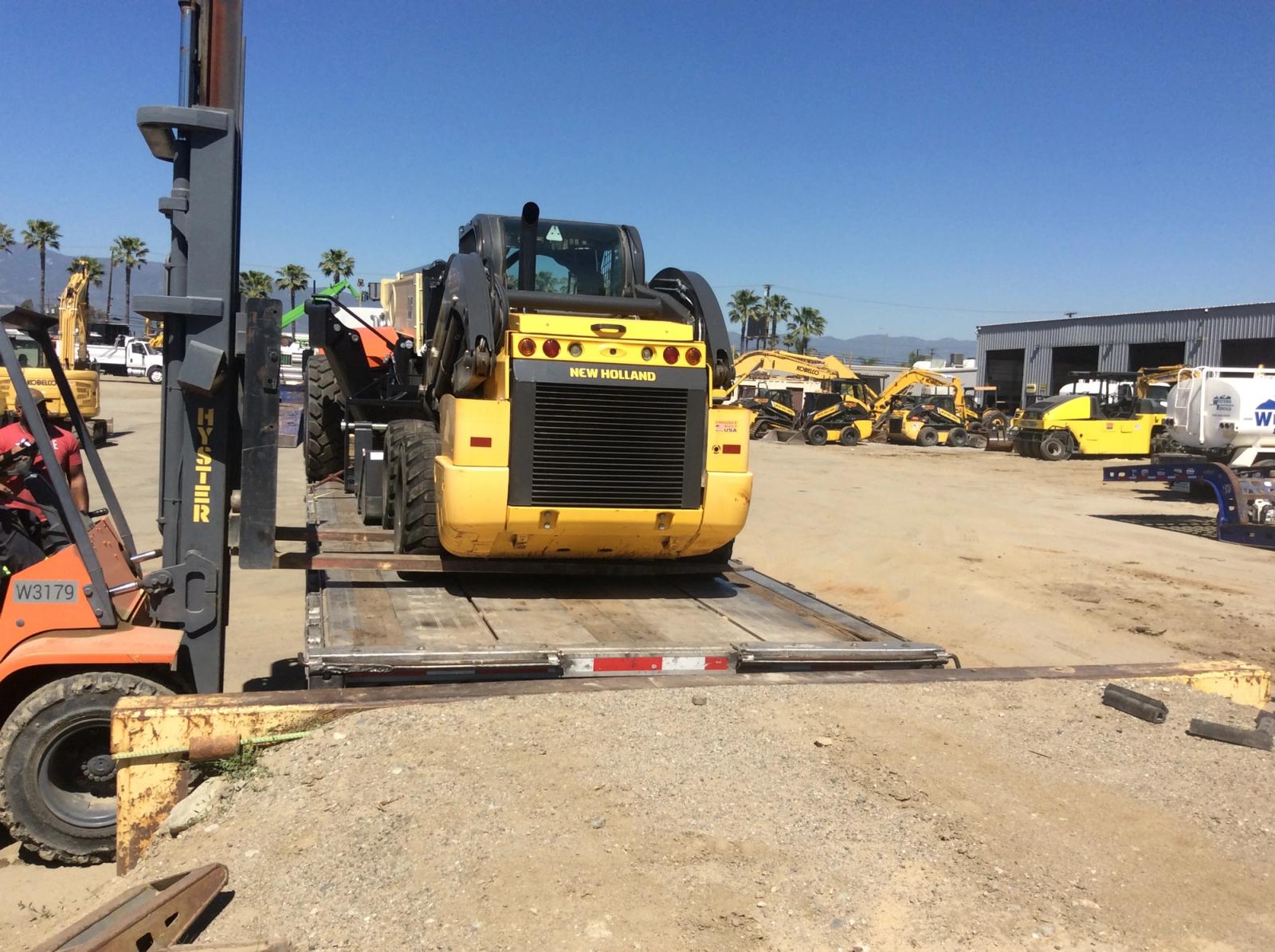
Managing heavy equipment efficiently is one of the most critical factors influencing profitability in construction, excavation, and infrastructure projects. For contractors in Southern California, where project timelines are tight and operational costs are high, effective fleet management can be the difference between profit and loss.
Heavy equipment such as excavators, loaders, bulldozers, and backhoes represent a significant investment. Without proper planning, maintenance, and utilization tracking, these assets can quickly become cost burdens instead of revenue generators.
This article explores proven strategies for heavy equipment fleet management, focusing on improving efficiency, reducing downtime, and maximizing return on investment.
Why Fleet Management Matters in Heavy Equipment Operations
Fleet management is not just about owning machinery it’s about optimizing how that machinery is used, maintained, and deployed across job sites.
In construction-heavy regions like Southern California, contractors face challenges such as:
- High equipment acquisition costs
- Rising fuel and maintenance expenses
- Labor shortages
- Tight project deadlines
- Equipment downtime risks
Without a structured system, even well-maintained equipment can become inefficient. That is why contractors increasingly rely on structured asset management approaches similar to those discussed in maximizing your heavy equipment investment.
Core Principles of Effective Heavy Equipment Fleet Management
Successful fleet management revolves around five core principles: utilization, maintenance, tracking, lifecycle planning, and cost control.
1. Equipment Utilization Optimization
One of the biggest hidden costs in construction is underutilized equipment. Machines sitting idle still generate depreciation and ownership costs.
To improve utilization:
- Assign equipment based on project demand
- Track idle time and usage hours
- Rotate machinery across job sites efficiently
- Avoid duplicate equipment purchases
Contractors often underestimate how much efficiency can be gained by simply improving allocation strategies.
2. Preventive Maintenance Scheduling
Unplanned breakdowns are one of the most expensive disruptions in construction operations. Preventive maintenance ensures equipment remains operational and reduces emergency repair costs.
Key maintenance practices include:
- Regular oil and hydraulic checks
- Tire and track inspections
- Scheduled part replacements
- Fluid level monitoring
- Operator-reported issue tracking
A structured maintenance approach is essential, as explained in top 5 maintenance tips to extend the life of your heavy equipment.
3. Lifecycle Cost Management
Every machine has a lifecycle—from purchase to resale or retirement. Understanding total lifecycle cost helps contractors make smarter financial decisions.
Lifecycle costs include:
- Purchase price
- Maintenance and repair expenses
- Fuel consumption
- Downtime losses
- Resale value
Contractors who track these factors can determine when to repair, upgrade, or replace equipment instead of making emotional or reactive decisions.For better financial planning insights, see how to get the most value from your heavy equipment.
4. Digital Tracking and Equipment Monitoring
Modern fleet management relies heavily on digital tools such as GPS tracking and telematics systems. These systems provide real-time insights into equipment performance.
Benefits include:
- Location tracking of assets
- Fuel usage monitoring
- Engine performance analytics
- Operator behavior tracking
- Maintenance alerts
These insights help contractors make data-driven decisions rather than relying on manual logs or assumptions.
5. Standardized Safety and Compliance Practices
Safety is a critical part of fleet management. Poor safety practices lead not only to accidents but also to costly project delays and liability risks.
Essential safety measures include:
- Operator training programs
- Equipment safety inspections before use
- Clear job site protocols
- Compliance with local regulations
- Emergency response procedures
More detailed safety guidelines can be found in essential safety tips for operating heavy equipment on job sites.
Reducing Downtime Through Smarter Equipment Planning
Downtime is one of the most expensive challenges in heavy equipment operations. Every hour a machine is out of service can delay entire project timelines.
To reduce downtime:
- Maintain backup equipment for critical operations
- Schedule maintenance during off-hours
- Train multiple operators per machine
- Use predictive maintenance tools
- Keep essential spare parts in stock
A proactive approach ensures smoother operations and fewer unexpected delays.
Choosing the Right Equipment for Fleet Efficiency
Fleet efficiency begins with selecting the right mix of equipment. Overinvesting in similar machinery or choosing underpowered machines can lead to inefficiency.
Contractors should evaluate:
- Project type and duration
- Load capacity requirements
- Fuel efficiency ratings
- Equipment versatility
- Rental vs ownership decisions
For better decision-making guidance, see how to choose the right heavy equipment for your project. Additionally, many contractors now compare ownership vs rental models depending on project scale, as explained in the benefits of renting vs buying heavy equipment.
The Role of Reliable Equipment Dealers in Fleet Success
A strong fleet management strategy also depends on having access to trusted equipment partners. Reliable dealers provide:
- High-quality used and new machinery
- Maintenance support services
- Fast replacement options
- Expert consultation
- Flexible financing options
Working with experienced providers reduces operational risks and improves long-term equipment performance.Learn more about trusted partnerships in reliable heavy equipment dealers for contractors.
Equipment Inspection The Foundation of Fleet Reliability
Before any machine enters a job site, inspection should be mandatory. Pre-service inspections ensure equipment is safe, functional, and ready for operation.
Key inspection areas include:
- Hydraulic systems
- Engine performance
- Brake systems
- Structural integrity
- Safety controls
A structured inspection process reduces breakdown risks and improves job site safety. You can follow a detailed checklist in used heavy equipment pre-service inspection checklist.
Cost Control Strategies in Fleet Management
Controlling operational costs is one of the primary goals of fleet management. Even small inefficiencies can significantly impact profitability over time.
Effective cost control strategies include:
- Fuel optimization programs
- Preventive maintenance scheduling
- Operator efficiency training
- Equipment lifecycle tracking
- Smart procurement decisions
Reducing operating costs directly improves project margins, as discussed in reduce heavy equipment operating costs.
Southern California Market Challenges
Contractors in Southern California face unique operational challenges such as:
- High competition in construction projects
- Strict environmental regulations
- High fuel and labor costs
- Limited job site space in urban areas
These challenges make fleet efficiency even more important. Companies that fail to optimize their equipment usage often struggle with rising overhead costs and reduced competitiveness.For regional insights, explore southern California heavy equipment sales.
Building a Long-Term Fleet Strategy
A successful fleet strategy is not short-term it evolves over time. Contractors should continuously evaluate:
- Equipment performance data
- Maintenance history
- Project demands
- Market conditions
- Asset depreciation trends
Long-term planning helps contractors scale operations without unnecessary financial risk.
Conclusion
Heavy equipment fleet management is a critical factor in construction success, especially in competitive regions like Southern California. By focusing on utilization, maintenance, safety, cost control, and strategic planning, contractors can significantly improve operational efficiency and profitability.
Modern fleet management is no longer just about owning machines it’s about using data, planning smartly, and maintaining equipment proactively.
With the right strategy and partnerships, contractors can extend equipment lifespan, reduce downtime, and maximize return on investment across all job sites.


